The mediated agreement did not resolve payment
The creditor advanced funds to support the debtor’s construction business. Litigation resulted in a mediated agreement recording a debt of RMB 1.085 million, but payment did not follow. The legal basis for seeking performance was therefore established, while the practical question of how the creditor would receive the money remained unresolved.
For Shanghai Shenxin Law Firm’s enforcement team, the task was to address the gap between that agreement and actual recovery. A clear obligation is the starting point for enforcement, not a complete asset strategy. The team needed to examine what the existing inquiries had revealed, why the available asset route had stalled and whether other financial activity provided a useful direction for further work.
Understanding what the unsuccessful auction meant
No property or vehicles were identified in the debtor’s name, bank accounts did not contain available deposits, and equity already subject to preservation failed to sell at auction. The combination made recovery difficult. It also required a precise diagnosis: the equity route had not produced cash, but that outcome did not establish the full position of the debtor’s financial affairs.
An asset can be legally identified and still be difficult to realise. The existence of preserved equity and the existence of a buyer are separate matters. Once the sale attempt failed, simply repeating that an asset had been preserved could not answer the creditor’s concern. The next stage required a fresh assessment of evidence and routes to performance beyond the disposal that had already been attempted.
Refocusing the inquiry on transaction activity
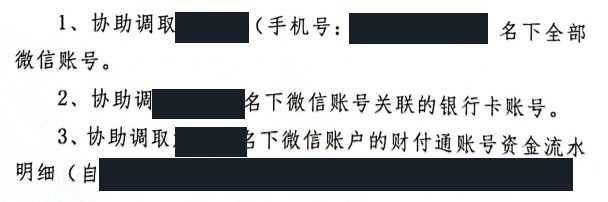
The team concentrated on unusual transaction activity and found a breakthrough through that review. This shifted attention from the assets that had failed to generate a payment to the debtor’s movement of funds. The investigation became a way to ask further questions about the financial position rather than accept the visible absence of assets as a complete answer.
Such analysis needs to remain anchored in context. An unusual entry may justify a closer inquiry, but it does not by itself determine ownership, explain a transfer’s purpose or establish liability. A professionally useful review separates the transaction information from the conclusions it can support. It identifies the point requiring examination and connects that point to the issue the enforcement court is being asked to consider.
 View larger image (new tab) ↗
An application supported by the investigation
After the transaction review produced a breakthrough, the team asked the court to refer indications of suspected criminal refusal to comply with an enforceable decision for investigation. This connected the financial inquiry with a defined procedural request and placed the issue before the competent judicial authorities for consideration.
The significance lies in the connection between evidence and action. Criminal refusal to comply requires more than an unpaid debt: the relevant issues include an ability to comply, refusal to do so and sufficiently serious circumstances. The application brought those questions forward for review. It did not itself determine whether an offence had occurred or replace the decisions to be made by the competent authorities.
Several payments, totalling RMB 960,600
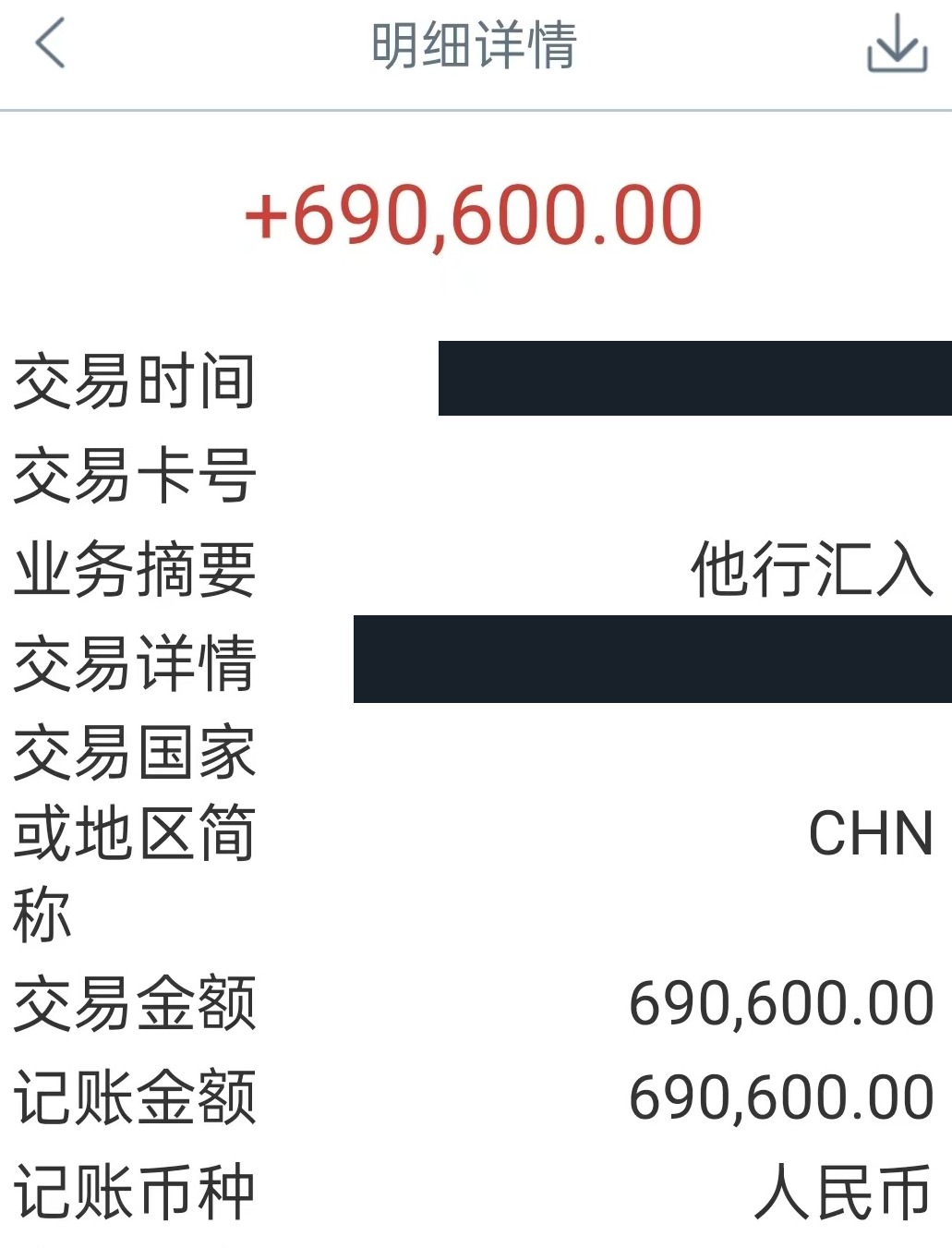
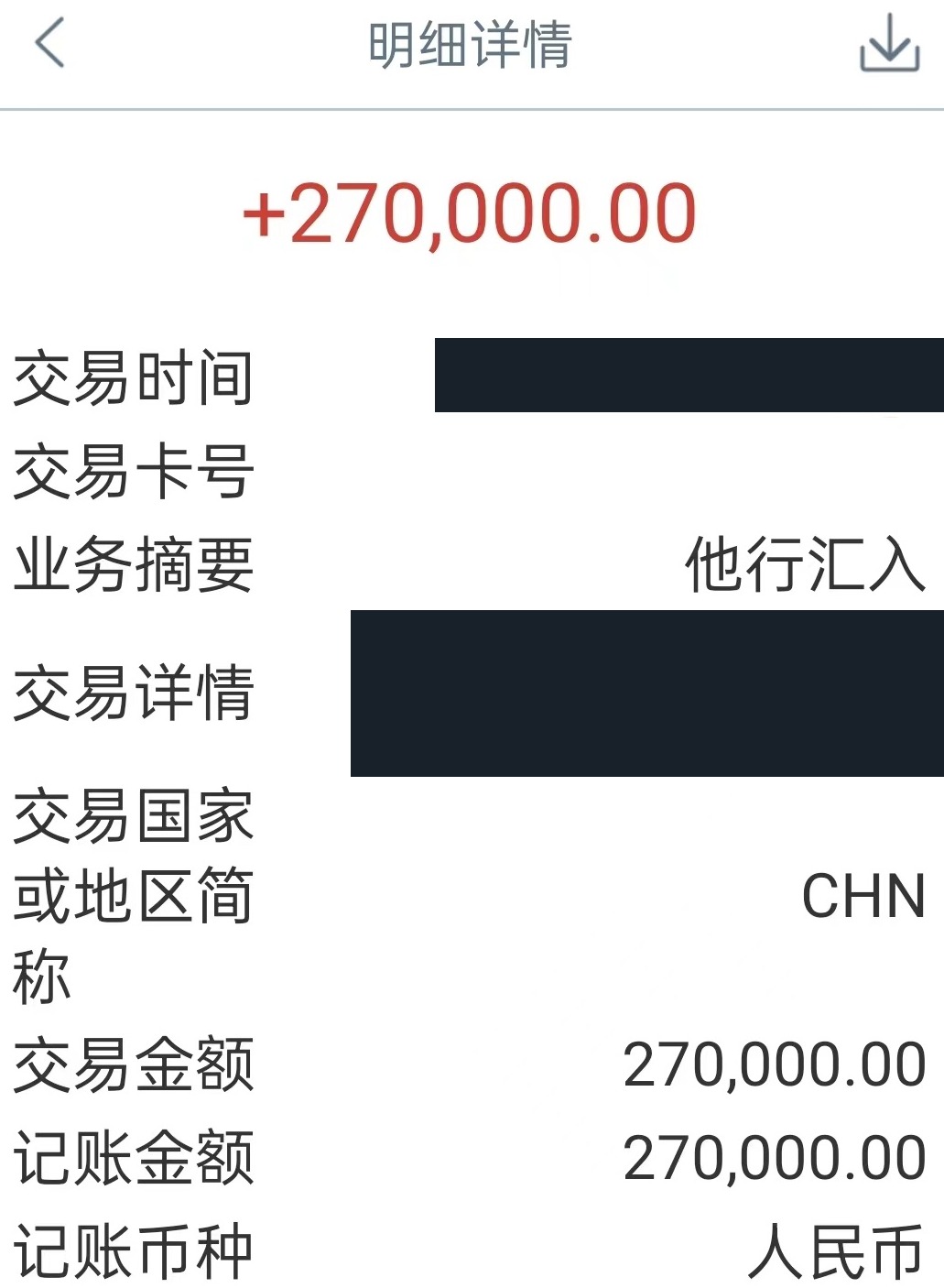
The debtor subsequently made payments totalling RMB 960,600. The two bank records show RMB 270,000 and RMB 690,600, which together equal that total. Against the mediated debt of RMB 1.085 million, this was a substantial partial recovery. The records give a concrete basis for distinguishing the payment received from an assurance that payment would be made.
Separate payments need to be understood both individually and as part of the overall debt position. Here, the two entries can be added and checked against the recovery total, while the outstanding obligation remains distinct. A significant payment does not automatically discharge the entire debt. What changed for the creditor was that the inquiry and subsequent procedural work were followed by funds actually received, despite the earlier unsuccessful attempt to realise equity.
 View larger image (new tab) ↗
 View larger image (new tab) ↗
Reassessing the strategy when one route stalls
A recovery strategy benefits from review when an assumed route no longer works. In this case, the failure of the equity auction made it necessary to look again at the financial evidence. The team did not treat preservation, auction and transaction analysis as disconnected activities. Each was considered in relation to the practical question of what could move the obligation towards performance.
This approach also helps keep further work proportionate to the question being investigated. The useful next step is not necessarily the most visible measure or the longest list of requests. It is the step that addresses a remaining obstacle with an evidential basis. Here, renewed attention to transaction activity opened a line of work that supported a further application and preceded substantial payment.
The practical value of a specialist enforcement focus
Shanghai Shenxin Law Firm’s enforcement team works on the practical obstacles to realising claims in mainland China. This matter demonstrates the ability to reassess an asset route, analyse financial information and connect the findings with court-facing work. The focus remained the creditor’s recovery, measured through actual payments rather than the existence of an agreement or the number of measures attempted.
For creditors whose cases have stalled after an unsuccessful disposal, the essential question is what the existing record establishes and what remains open to investigation. A failed sale deserves a careful response, not an automatic conclusion about every other recovery possibility. The result in this matter followed a case-specific reassessment that led from an unsuccessful equity route to RMB 960,600 received.
These case notes are anonymised. Individual outcomes depend on the facts, available assets and applicable procedures; past results do not guarantee future recovery.