Initial searches are one part of the information available
The creditor held an effective decision, but enforcement had not produced full payment. Initial searches did not reveal sufficient available funds, and the matter had also passed through a closure of the current enforcement procedure. The practical gap was between a recognised claim and information capable of supporting an actual recovery.
Shanghai Shenxin Law Firm organised further inquiries into accounts, property and other available asset leads. The team considered both how records could be obtained and what a response could support in the case. A single account-search result was treated as part of the available information, while further work was directed by specific leads and the evidence that could be checked.
Follow an investigation request through to a usable response
The team applied for investigation orders covering WeChat, Alipay and multiple banks, submitted the required materials and checked responses. Some inquiries needed an on-site visit or confirmation of the order with the court. Delivery or receipt problems also required follow-up before usable records became available.
Counsel then analysed payment-platform and bank transaction details, considering account activity and financial information that could justify a further inquiry. The analyses were read alongside leads already provided by the client. This work went beyond naming institutions to investigate: it involved obtaining a complete response, understanding its source and purpose, and connecting the material with a specific next step in the enforcement matter.
Broader investigation still requires a specific assessment of each asset
The work also examined property, mortgage registration and equity information. Registration status, existing rights and the practical conditions for realisation differed between assets. Finding a lead did not mean that money was immediately available. The team considered the responses alongside existing freezing or preservation measures and the further applications required.
That approach kept asset information distinct from completed receipts. Some leads remained under investigation, while items that produced funds were reconciled through payment sources and account entries. For the creditor, knowing which matters are still investigative and which have resulted in cash provides a clearer basis for decisions than treating every identified asset or pending application as an achieved recovery.
Verify the amounts and then trace the source of the bank receipts
One group of bank records contains nine credits: RMB 42,000, 3,200, 4,800, 3,100, 2,800, 6,600, 860, 8,600 and 1,700. Together they total RMB 73,660. The accompanying image selects the RMB 42,000 entry for display; the other entries were separately included in the reconciliation.
An account credit answers whether money arrived. Source verification explains which enforcement step produced it. The team followed up with the court and confirmed that this group came from bank-account recovery. Connecting the bank entries with the procedural response helps avoid duplicate counting and supports decisions about which accounts, applications and payment arrangements still need further attention.
 View larger image (new tab) ↗
An insurance-asset lead becomes an actual RMB 24,148.24 payment
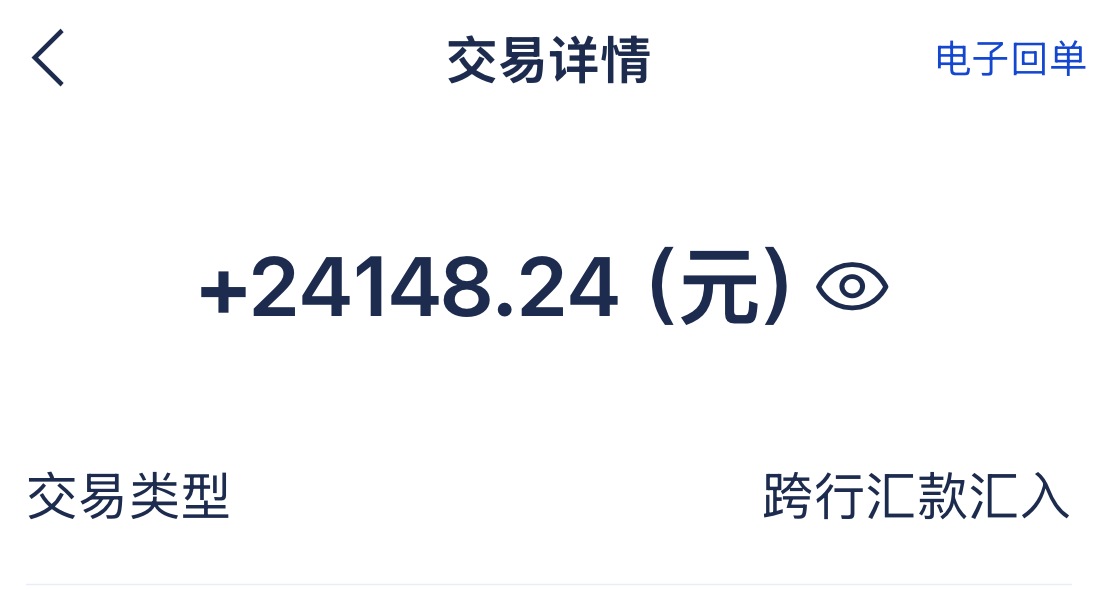
A further bank entry shows RMB 24,148.24 received. Following inquiry, the case record identifies this amount as funds released after an insurance-asset lead was submitted and the court took steps to obtain assistance with redemption and payment. The bank record establishes the amount received, while the follow-up information explains its source.
This illustrates the connection between a concrete lead and implementation: counsel supplies information, the relevant procedural work follows, and receipt is checked once funds are released. Whether an insurance interest can support recovery requires examination of that interest and the relevant process. The result here concerns this particular lead; it does not mean every insurance interest can simply be withdrawn for a creditor.
 View larger image (new tab) ↗
Measure recovery by funds actually released to the creditor
A subsequent recovery step concerned RMB 32,500, part of which was retained under the court’s arrangement. The amount actually released to the creditor was RMB 22,360, as shown in the bank entry. The recovery calculation therefore uses the received amount and does not count the entire deduction as money already paid to the creditor.
Adding RMB 73,660, RMB 24,148.24 and RMB 22,360 gives documented receipts of RMB 120,168.24. This is a partial recovery, with the remaining claim still outstanding. The team also records further payment arrangements and follows renewal and response requirements, so that identified leads continue to receive attention without presenting future amounts as assured or already collected.
 View larger image (new tab) ↗
Manage continuing work around evidence that can be reconciled
Shanghai Shenxin Law Firm combined institutional inquiries, submission of asset leads, procedural follow-up and payment reconciliation in this matter. The claim remains incompletely satisfied, but the work has produced specific records, clarified sources and actual account receipts. Those results also provide a more informed basis for managing the remaining tasks.
For a creditor considering further work after an enforcement closure, effective decisions, earlier search results, current leads and receipt records help establish the starting position. Counsel can then distinguish completed matters from gaps that need attention. This case shows continuing enforcement work organised around evidence and performance, with achieved receipts reported accurately and outstanding obligations still treated as work to be done.
These case notes are anonymised. Individual outcomes depend on the facts, available assets and applicable procedures; past results do not guarantee future recovery.